

Speaking up at a city council hearing or a community board meeting is one of the most direct ways that individuals can influence local government decisions.
When done well, public testimony can persuade decision-makers to adopt your point of view. When fumbled, however, comments from members of the public can muddy the waters or even negatively polarize decision-makers against your preferred outcome.
As a community board member, I’ve listened to dozens of hours of public comments. Here are my top tips to ensure your testimony has the impact you’re looking for:
Be clear about who you are, what topic you’re talking about, and what outcome you’re seeking
Connect over values you believe are widely shared by your audience
Signal warmth, credibility, and good faith
The basics of public meeting testimony
Typically, members of the public register to speak at the start of the meeting. At some point, your name will be called and you’ll get 2-3 minutes to say your piece. (In practice, the most effective comments are usually 30 to 60 seconds long.)
Sometimes a public comment section of a meeting will focus on just one topic; other times, the meeting will have a combined public comment section that mixes together speakers talking about multiple topics.
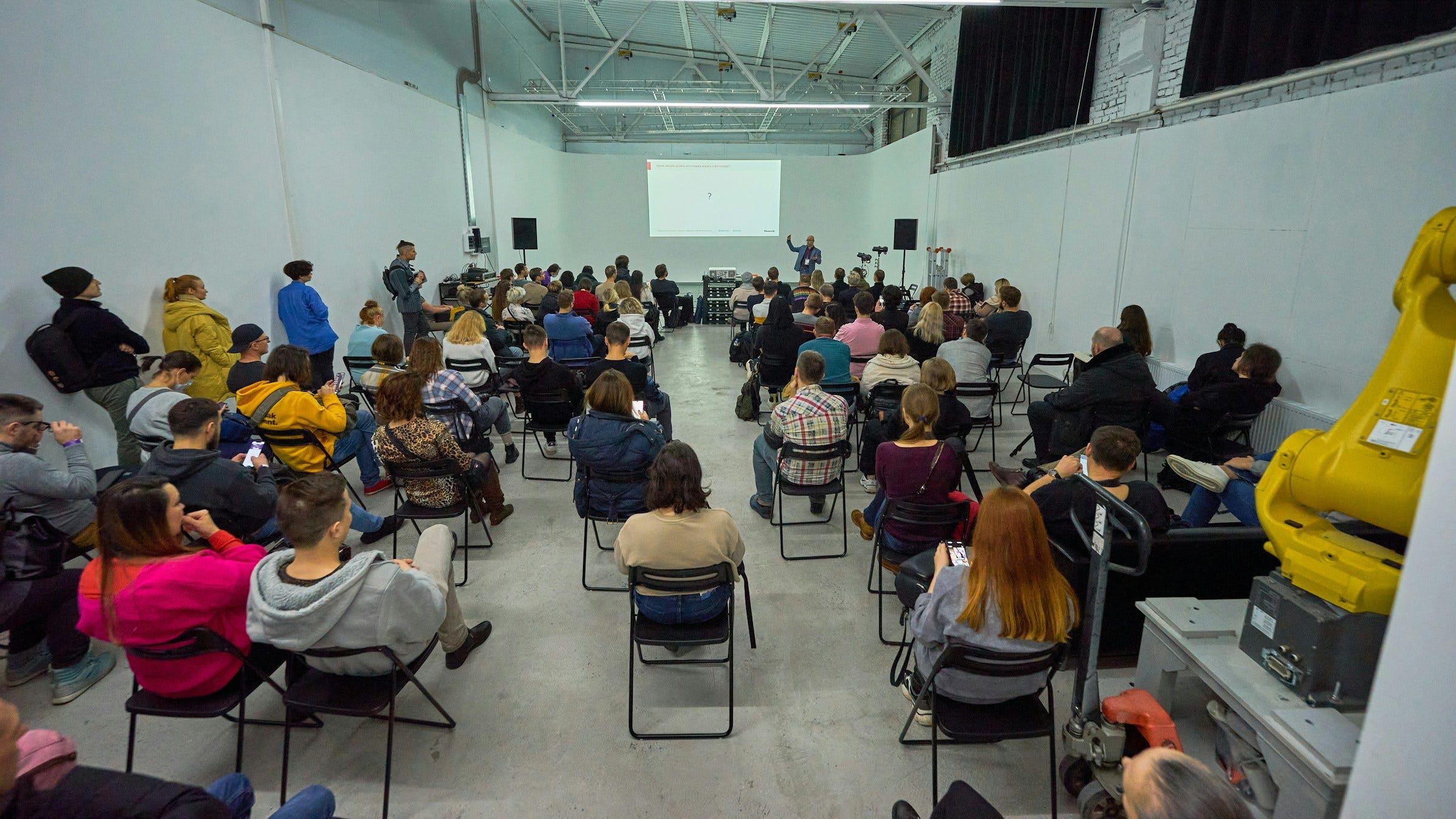
Be clear
Your testimony will already be far above average if you focus on communicating with clarity.
Speak slowly and project your voice.
Always state your name and neighborhood of residence.
If you are one of the first speakers to talk about a topic, briefly explain what the topic or proposal is. Even if you are intimately familiar with a topic, it’s likely that some of your audience won’t know about it. Your testimony might be the first time they’re learning about the topic, which gives you an important opportunity to frame the discussion.
Unambiguously state your position on the topic: e.g. “I support the proposal” or “I oppose this plan”. Far too many times I’ve had speakers conclude their remarks without me knowing whether they are for or against a proposal. It’s very frustrating!
Be clear about what action you want the decision makers to take. Do you want them to vote a certain way?
As a “don’t do this” counter-example, last year at a community board meeting I listened to complaints from several members of the public about a pickleball-related issue in a local park. Despite listening very carefully, ultimately all I could discern was several residents were very upset about something, a person called “The Pickleball Doctor” was involved, and there were some storage lockers they were fighting over. Everything else was very murky, and ultimately I think the community board didn’t take any action on the matter.
Connect over shared values
We all have our own policy preferences and priorities. When giving public comments, one thing that can set you up for success is to anchor your comments in shared values, and then explain how your proposed plan of action advances those values.
For example:
“We all want kids to be safe when crossing the street” → therefore we should reduce visual obstructions near intersections to help drivers see pedestrians clearly
“Everyone wants elderly people to have the option to keep living in this neighborhood” → that’s why we should allow construction of new apartment buildings with elevators
“Families and children are important for thriving communities” → that’s why allowing strollers on buses is important to help parents and caregivers move around the neighborhood
You don’t need to dwell on this, but contextualizing how a proposal relates to big-picture values can help your audience better understand why your comments matter.
Signal warmth, credibility, and good faith
Decision-makers respond to how you speak just as much as what you say. In a public meeting, your tone, body language, and demeanor heavily influence how your comments are received.
The goal is to come across as a reasonable, constructive neighbor. Ideally you’re seen as someone who wants to solve a shared problem, not just vent frustration.
A few practical tips:
Speak calmly and at a measured pace.
Stand up straight and make eye contact with the audience.
Smile and express gratitude for your neighbors’ contributions.
Even when you strongly oppose a proposal, appearing respectful and composed makes it much easier for decision-makers to engage with your substance. Angry, sarcastic, or accusatory comments may feel cathartic, but they often reduce your influence.
Public testimony is persuasion under tight time constraints. Signaling good faith and credibility helps ensure your message actually lands.
A template
As a starting point, here’s a template script you could use to structure your comments:
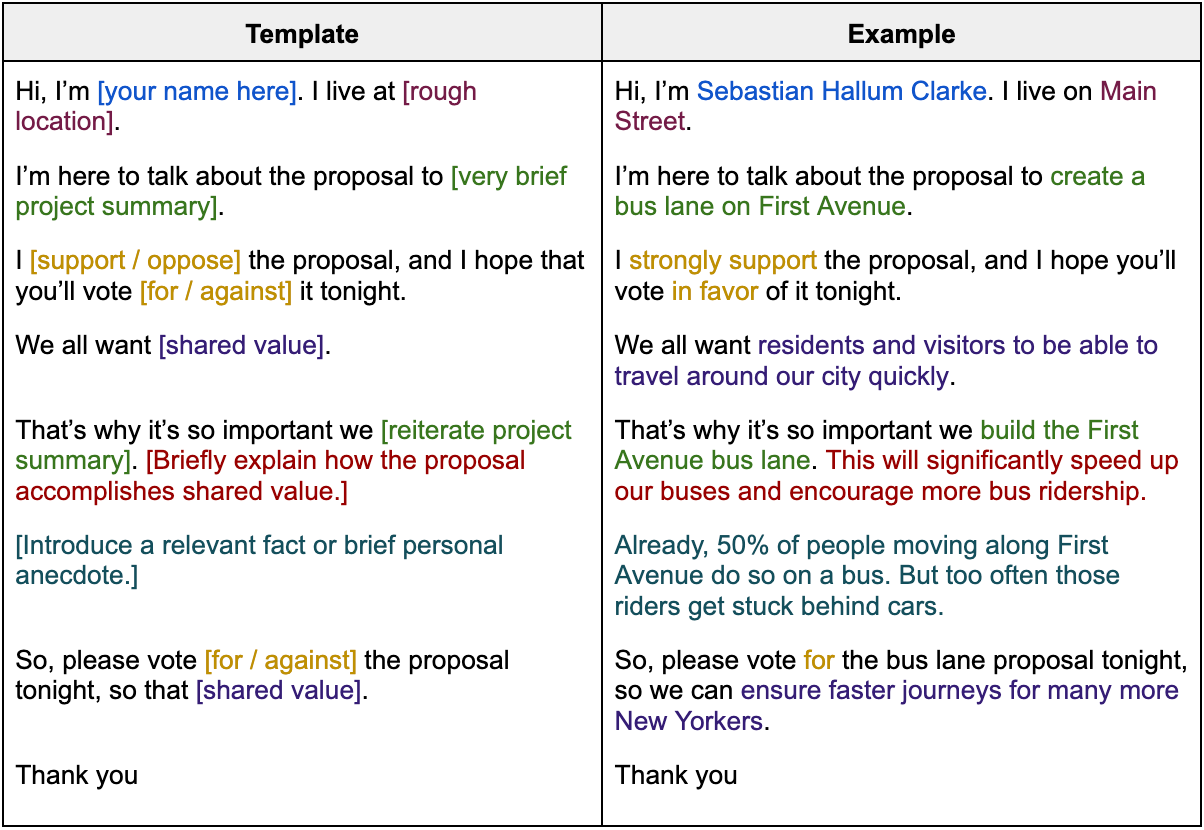
Ultimately, you should always tailor your remarks to the specific issue, forum, and context created by the speakers who came before you.
Avoid needless repetition. If several people have already made your point, either introduce something new (an additional fact, a clearer framing, or a different value) or keep your comments very brief.
Similarly, resist the urge to directly argue with previous speakers. Public comment is not a debate format. You absolutely can correct the record or build on earlier remarks, but your comments should stand on their own rather than naming or attacking others.
For example, if a previous speaker incorrectly claims that a new bus lane will delay emergency vehicles, it’s usually more effective to say: “Another benefit of this bus lane is that emergency vehicles can use it too, allowing them to reach their destinations more quickly,” rather than calling out the earlier speaker by name.
The goal is to leave decision-makers with a better understanding of the issue than they had before you spoke.
Making your voice count
Getting involved with local issues can be surprisingly rewarding. Whether it’s a street redesign, a zoning change, or a new construction project, public comment is one of the simplest ways to shape the future of your neighborhood.
If you want your comment to matter, optimize for clarity, shared values, and credibility.
Read more about my experiences serving on my neighborhood’s community board:

very helpful ty